Sign in to continue
Enter your email address for Login.
There’s something about Morocco that gets under your skin — the smell of spices drifting through ancient medinas, the silence of the Sahara just before sunrise, the riot of color in a busy souk. And here’s the thing: planning a Morocco trip from India is far simpler than most people imagine. Whether you’re a first-timer or a seasoned explorer, this guide covers everything you need — flights, visa, what’s included, and a detailed day-by-day breakdown of what an ideal Morocco adventure actually looks like.
Since there are no direct flights from Delhi to Morocco, you’ll be taking a connecting flight. Popular layover options include Dubai (Emirates), Istanbul (Turkish Airlines), Doha (Qatar Airways), and Abu Dhabi (Etihad). Most itineraries begin in Casablanca, which is Morocco’s primary international airport, making it the natural starting point for your journey.
Total travel time from Delhi is typically between 10 to 16 hours, depending on layover duration. Book at least 6 to 8 weeks ahead to secure the best fares. Round-trip tickets generally range from ₹35,000 to ₹65,000 per person in economy class.
Indian passport holders do not need a visa to visit Morocco. You can stay visa-free for up to 90 days — one of the most traveler-friendly policies for Indians in the entire African continent. Simply carry your valid passport (with at least 6 months’ validity), confirmed return tickets, hotel bookings, and proof of sufficient funds. Keep physical printouts handy, as immigration may ask for them.
When it comes to truly experiencing Morocco’s depth — its imperial cities, Saharan dunes, mountain passes, and ancient kasbahs — nine days is the sweet spot. D’Organizers‘ 9 Days Morocco Tour Package, starting at ₹1,41,000 per person, is designed to take you through the very heart of this incredible country without rushing.
This is not a tick-box itinerary. It’s a curated journey that blends history, adventure, and culture into one seamless experience.
Day 1 — Casablanca (Arrival) Your Moroccan adventure begins the moment you land. A driver will be waiting at the airport exit, holding a sign with your name, ready to transfer you straight to your hotel. Settle in, rest up, and let the anticipation build. Overnight in Casablanca.
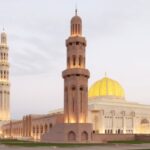
Day 2 — Casablanca & Rabat After breakfast, the day opens with a comprehensive city tour of both Casablanca and Rabat. In Casablanca, you’ll visit the Central Market, the Habous district, the Royal Palace, Mohammed V Square, and the magnificent Hassan II Mosque — one of the world’s largest, standing dramatically at the edge of the Atlantic Ocean. The journey then continues to Rabat, Morocco’s capital, where you’ll explore the Royal Palace (Mechouar), the historic Kasbah Oudaya, the serene Mohammed V Mausoleum, and the iconic Hassan Tower. Overnight in Rabat.
Day 3 — Rabat → Meknes → Volubilis → Fez This day is packed with history. You’ll make a memorable stop at Volubilis, a UNESCO World Heritage site showcasing extraordinary Roman ruins adorned with vivid mosaics and colourful tiles — one of the finest archaeological sites in North Africa. Continuing to Meknes, you’ll enter through the monumental Bab Mansour and explore Place El-Hedime, the grand square linking the medina and kasbah. After time at leisure and an optional lunch at a local restaurant, you arrive in Fez for an overnight stay.
Day 4 — Fez (Full Day) Fez is Morocco’s spiritual capital, and a full day here barely feels like enough. The day is dedicated to exploring its medieval medina — a UNESCO-listed labyrinth of narrow lanes, centuries-old mosques, and traditional craft workshops. Highlights include the Attarine and Bou Inania Medersas, the Nejjarine fountain, and the Karaouine Mosque, one of the oldest universities in the world. The afternoon takes you through Fez Jdid, the “New Fez” district. Overnight in Fez.
Day 5 — Fez → Erfoud → Merzouga This is the day the landscape shifts completely. You’ll leave the city behind and drive into the heart of Morocco’s natural beauty — through the Middle Atlas Mountains, past the charming ski resort of Ifrane and the cedar-forested hills of Azrou. The route continues via Errachidia and the palm-lined Ziz Valley before arriving at Merzouga, the gateway to the Sahara Desert. Camel trekking into the dunes, a golden sunset over the desert, and a night in a traditional Berber camp under a sky full of stars — this is the experience most people come to Morocco for. Dinner and overnight at the desert camp.
Day 6 — Merzouga → Tineghir → Ouarzazate After breakfast at the Berber camp, the day takes you deeper into Morocco’s dramatic south. You’ll pass through Rissani — a holy city home to the tomb of Moulay Ali Cherif — and visit the 17th-century Kasbah and Ksar Abbar ruins. Then comes the breathtaking Todgha Gorge near Tinghir, where sheer rock walls rise 250 metres on either side. The rest of the drive follows the famous “Road of a Thousand Kasbahs” through the Dades Valley, known for its rose farms, before arriving in Ouarzazate — Morocco’s very own Hollywood. Dinner and overnight in Ouarzazate.
Day 7 — Ouarzazate → Ait Benhaddou → Marrakech The morning begins with a visit to the exteriors of Kasbahs Taourirt and Tiffeltout in Ouarzazate. The real highlight, however, is the legendary Kasbah of Ait Benhaddou — a UNESCO-listed ksar that has served as the backdrop for iconic films and TV series including Gladiator and Game of Thrones. Lunch is served at a restaurant terrace facing the Kasbah (not included). From here, the route crosses the stunning Tizi n’Tichka mountain pass through the High Atlas, descending gradually into Marrakech. Overnight in Marrakech.
Day 8 — Marrakech (Full Day) The “Pearl of the South” deserves an entire day — and it rewards it. Founded in the late 11th century by the Almoravides, Marrakech is one of Morocco’s oldest imperial cities. Your exploration covers the tranquil Menara Gardens, the ornate Bahia Palace, and the towering Koutoubia Mosque. The afternoon dives into the vibrant souks and handicraft quarters before culminating at Djemaa el-Fna square — where snake charmers, storytellers, musicians, and food vendors create an atmosphere unlike anywhere else on earth. Overnight in Marrakech.
Day 9 — Marrakech → Casablanca (Departure) After a final breakfast at your Marrakech hotel, you’ll be transferred to Casablanca airport in time for your departure flight. The pickup time will be adjusted to suit your flight schedule. It’s time to head home — though Morocco has a way of staying with you long after you leave.
D’Organizers has structured this package to cover everything that matters:
Note: Visa, GST at 5%, TCS at 5%, personal expenses, tips, and beverages are not included.
Currency: Morocco uses the Dirham (MAD). Carry Euros or USD for exchange; ATMs are available in all major cities.
Best Time to Visit: March–May and September–November offer the most comfortable weather. Avoid July and August for desert regions — temperatures can be punishing.
Bargaining: Expected and respected in the souks. Start at 40–50% of the quoted price and negotiate warmly.
Language: Arabic and French are widely spoken. In tourist zones, English works fine — but a few words of French go a long way.
Connectivity: A local SIM card from Maroc Telecom or Orange is cheap and reliable — essential for navigating Morocco’s medinas on Google Maps.
Morocco doesn’t just show you a new country — it shows you a new way of seeing the world. From the Atlantic coast of Casablanca to the golden dunes of the Sahara, every day on this journey is genuinely unlike the last.
D’Organizers’ 9-day Morocco package takes all the guesswork out of planning, so you can focus entirely on experiencing. With 24/7 on-ground support, handpicked stays, and carefully designed routes, this is the smartest way to do Morocco justice.
📞 Call / WhatsApp: +91 9999970383 📧 info@dorganizers.com
5 FAQs
No, Indian citizens do not require a visa to visit Morocco. You can travel visa-free for up to 90 days. Just carry your valid passport, confirmed return tickets, hotel bookings, and proof of sufficient funds.
D’Organizers’ 9 Days / 8 Nights Morocco Tour Package starts at ₹1,41,000 per person. This includes accommodation, guided tours, desert camp experience, monument entry fees, and all transfers. International flights from Delhi are additional.
Currently, there are no direct flights from Delhi to Morocco. You’ll travel via a connecting city such as Dubai, Istanbul, Doha, or Abu Dhabi. Total travel time is typically between 10 to 16 hours depending on your layover.
The package includes airport transfers, 6 nights bed & breakfast accommodation, 2 nights half-board stay, a deluxe AC vehicle for all intercity travel, a 4WD Sahara desert experience with Berber camp overnight, guided sightseeing, and monument entry fees including the Hassan II Mosque.
The best time to visit Morocco from India is during March to May or September to November, when the weather is pleasant across cities and the desert. Summer months (June–August) can be extremely hot, especially in Marrakech, Fez, and the Sahara region.
Drop us an email and we’ll get back to you within 24hrs…
Get our latest deals and updates